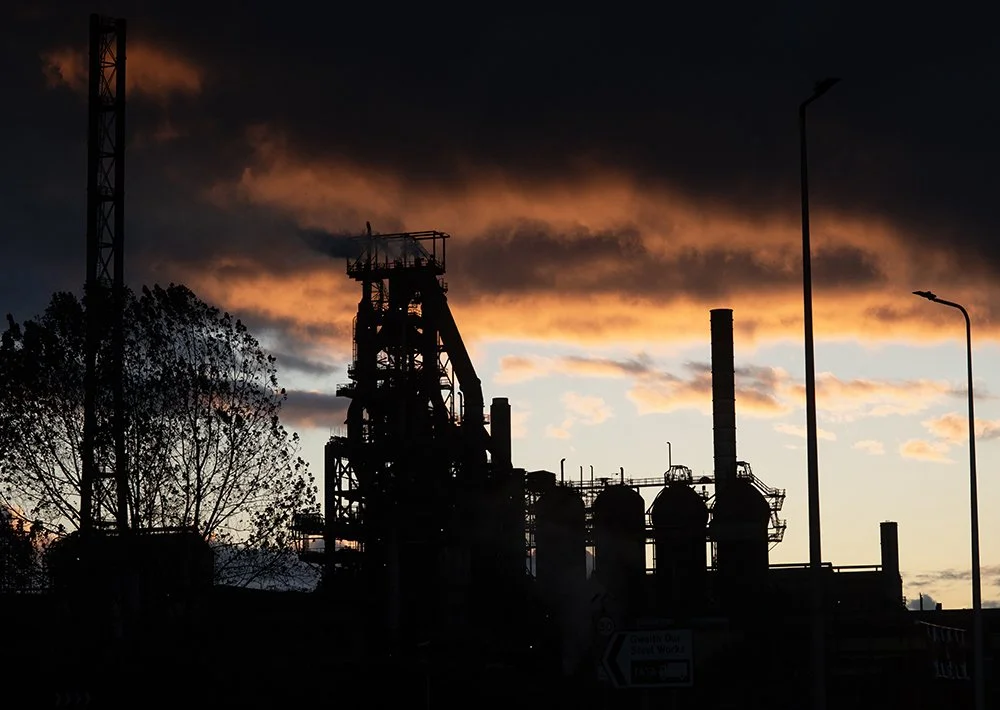
Steeling Ourselves:
Reflections from Port Talbot After the Blast Furnace closure
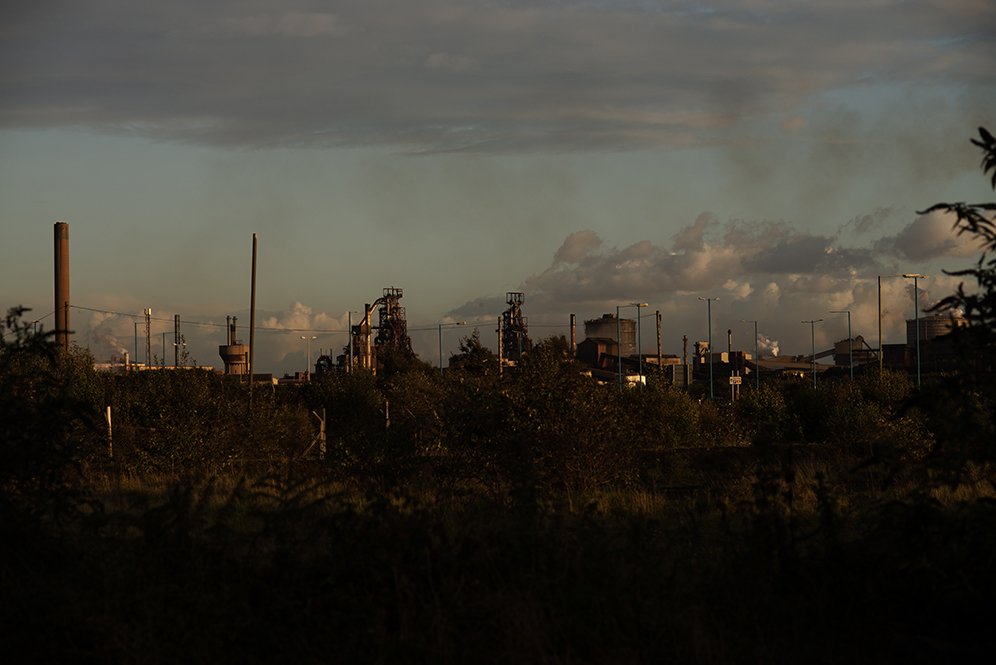
“When the blast closed it was quite eerie, the silence was quite eerie or it was, you got used to it now […] the silence to me was quite eerie…”
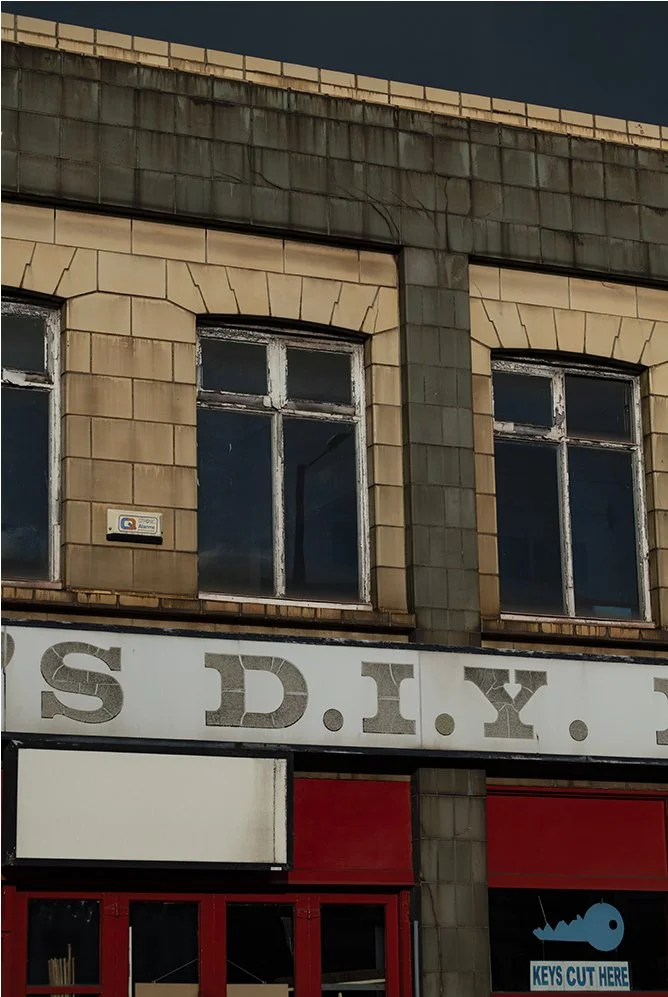
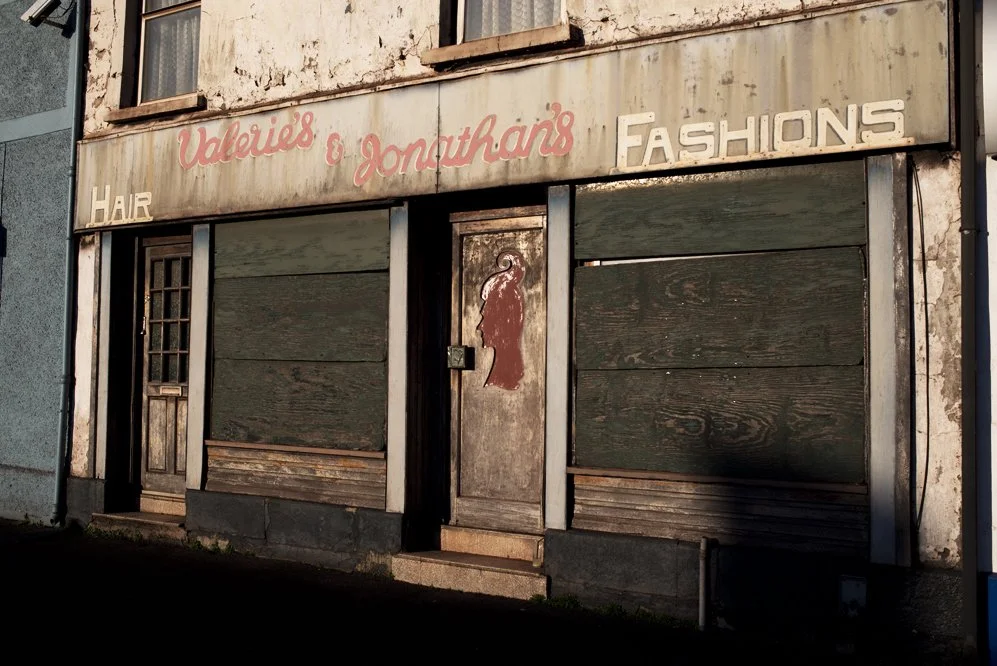
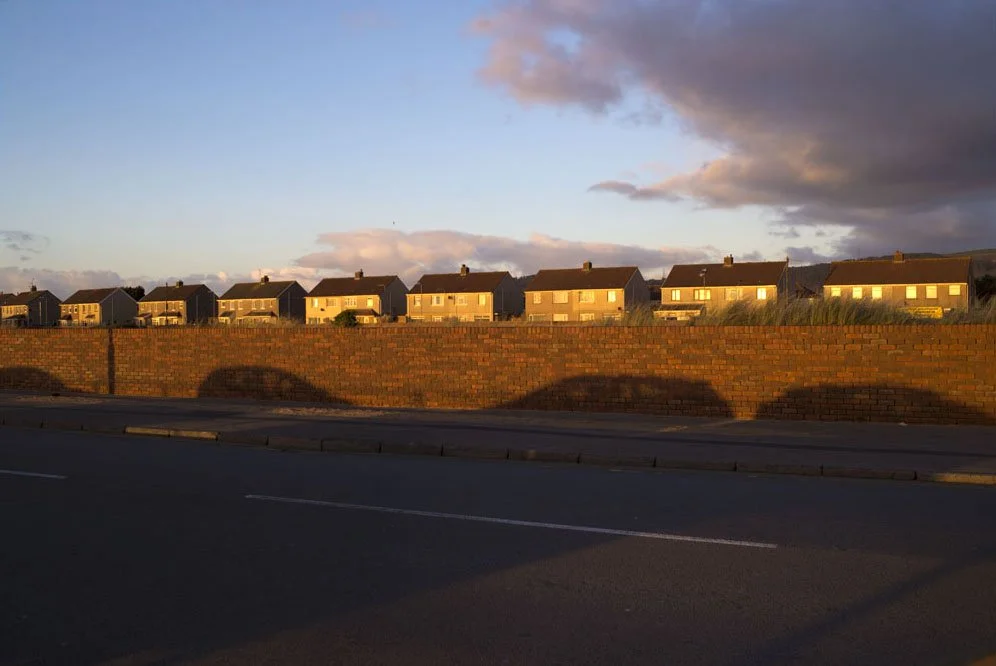
“I think people have become a lot more enterprising. […] We’ve got a town festival, food festival now which we never used to have. There’s quite a lot of things that are now taking place that we never had because people are doing it I think almost in compensation in a way. But trying to make the town work, especially the arts.”
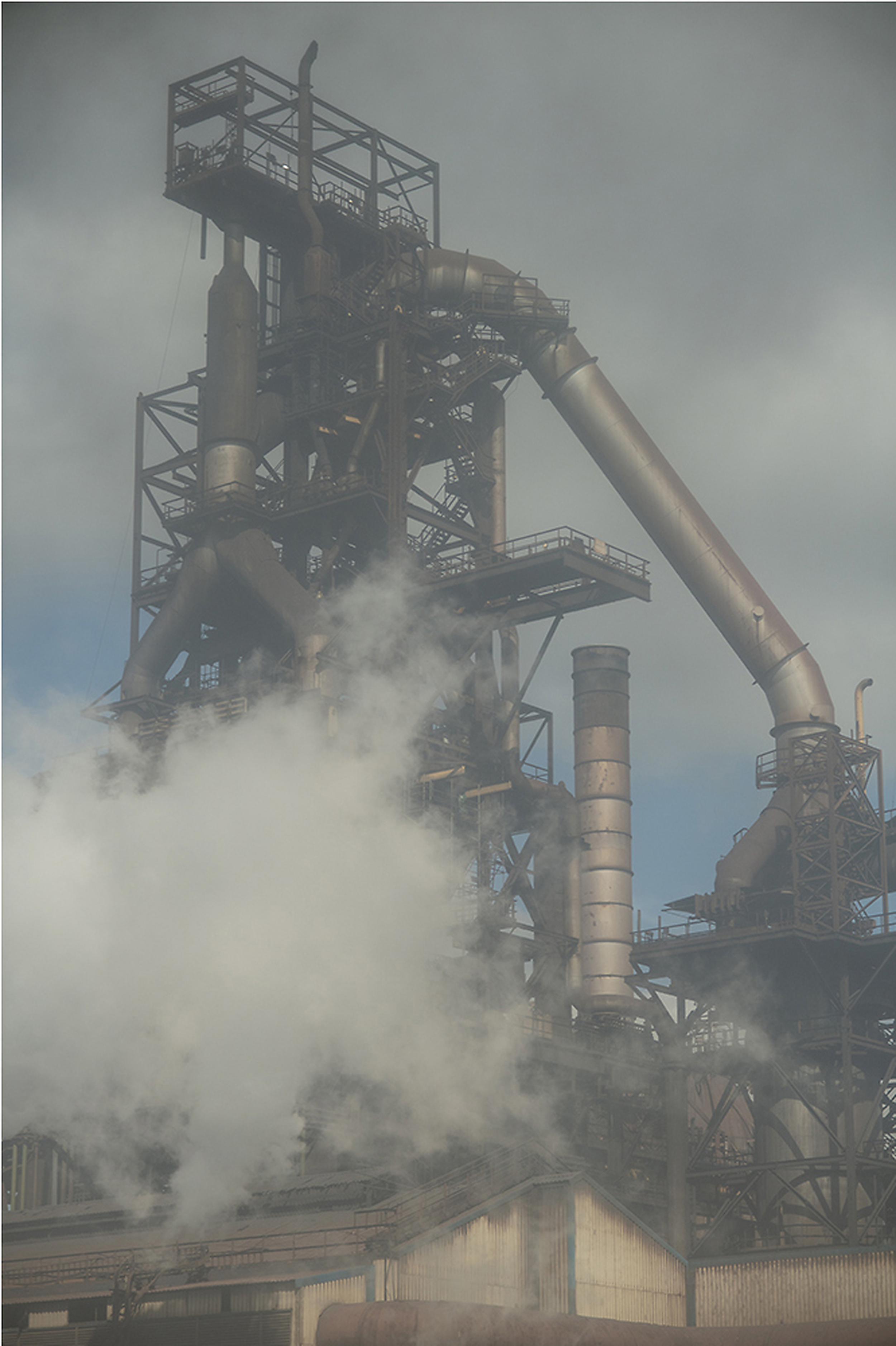
“I can remember Margaret Thatcher saying, ‘We don’t want dirty, smelly industries.’ Dirty, smelly industries have always come to Wales, and they’ve always gone to the north of England.
I think it’s in our genes that Welsh people, we don’t know any better, other than heavy industry, heavy work. But it’s all gone. It’s all gone. And now, I don’t know for the next generation. I don’t know what there is for them.”
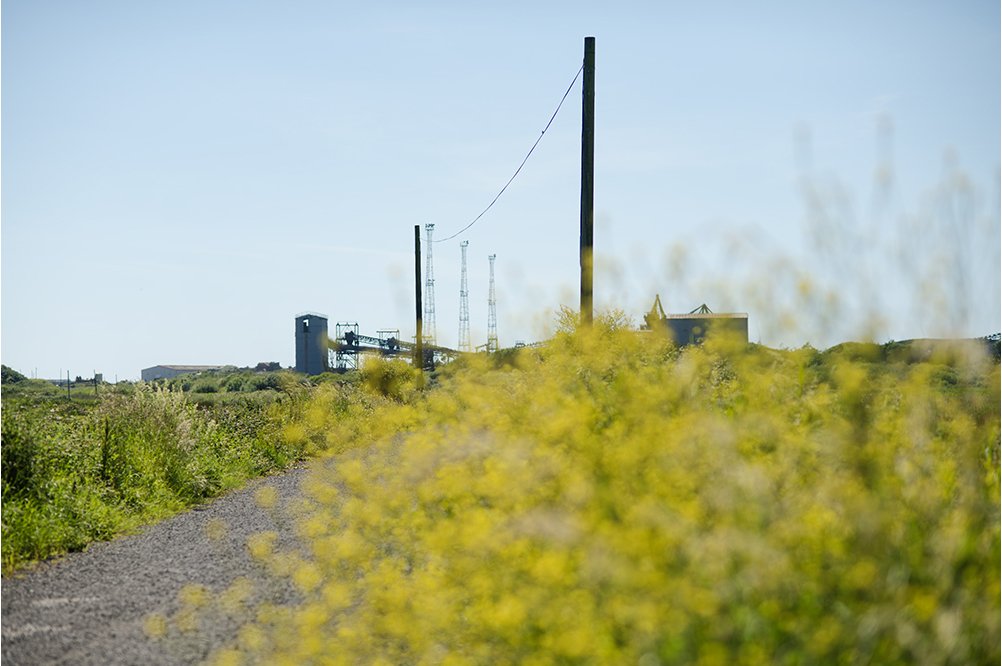
“Wales is known as the land of song. Everybody says, ‘Wales, we’ve got great singers.’ […] We’ll out-sing anybody, any nation. That is the roots of Wales. Steel, coal, song and rugby.”
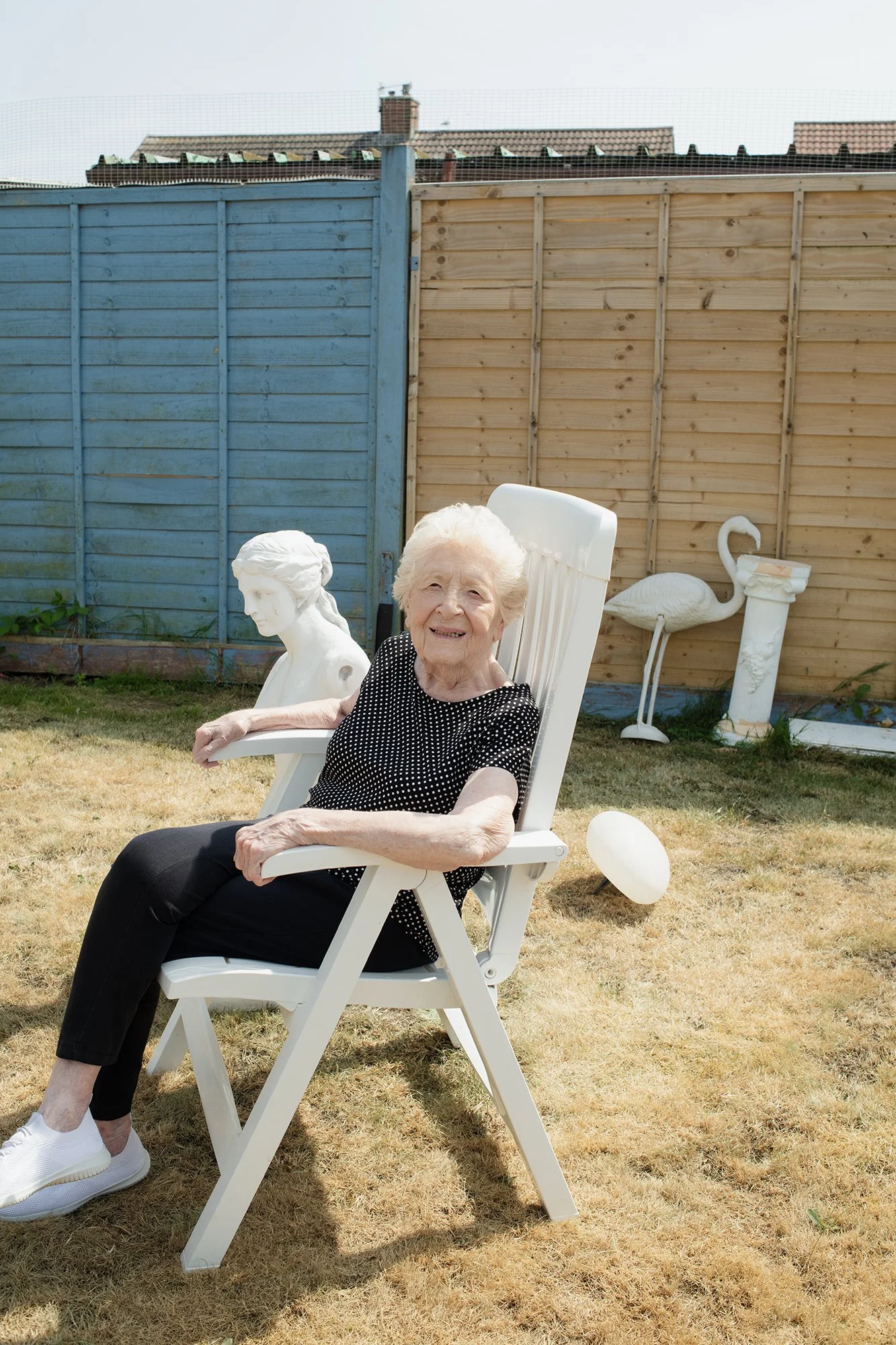
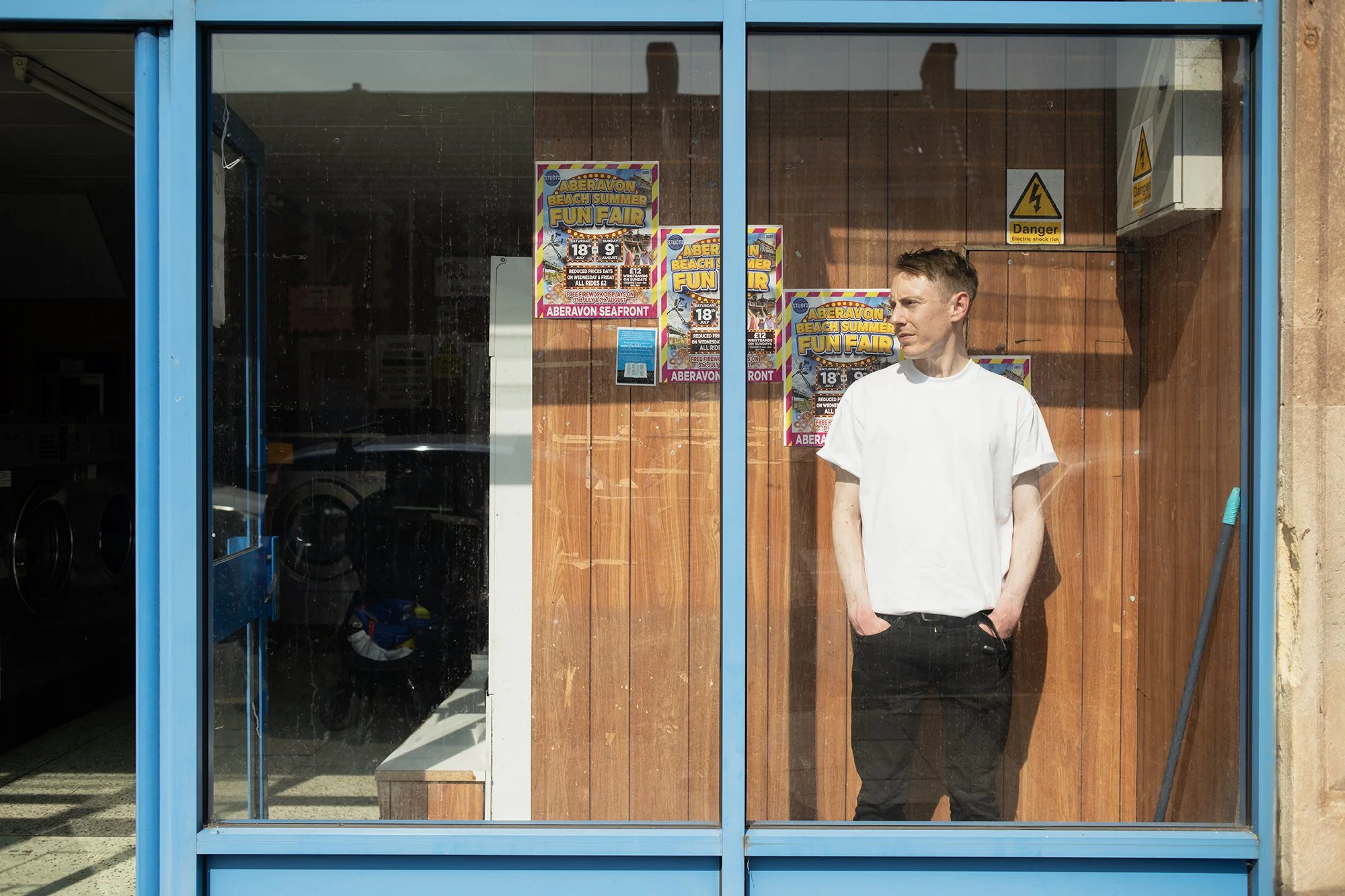
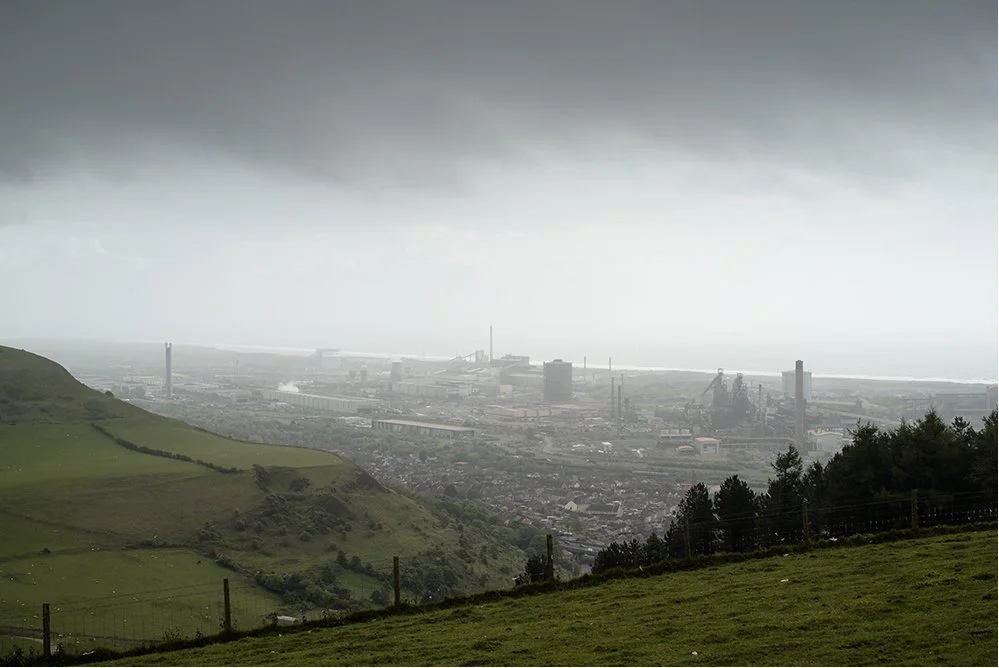
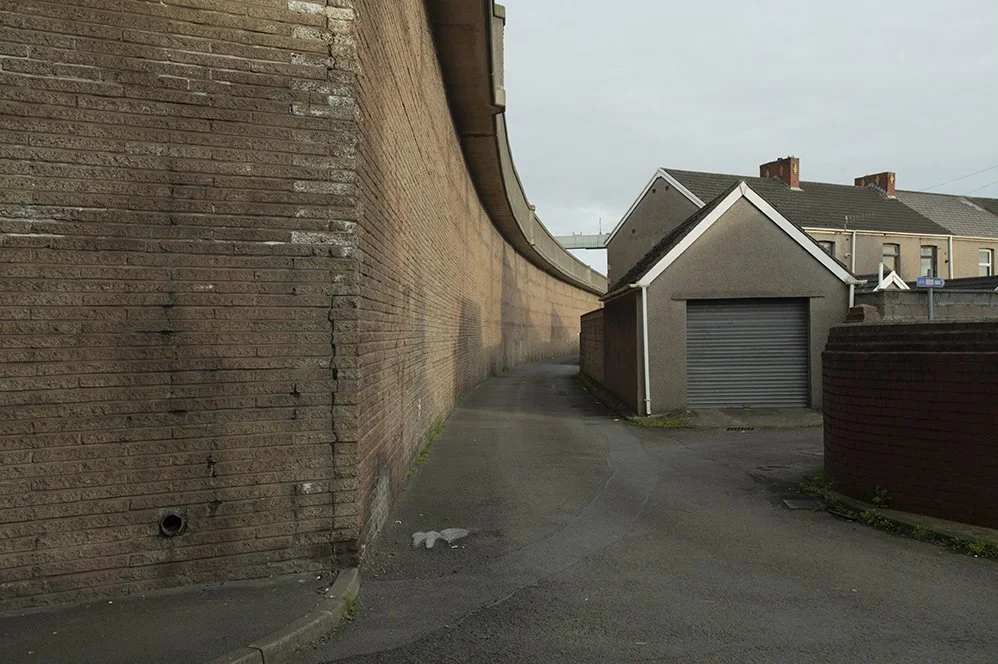
“I think the works are so embedded within our sense of identity, and just how much of the town… Like, if you go up on the mountain and look down, you realise how small the actual housing part of town is compared to everything else. So, I think it would be difficult to ever move away from that.”
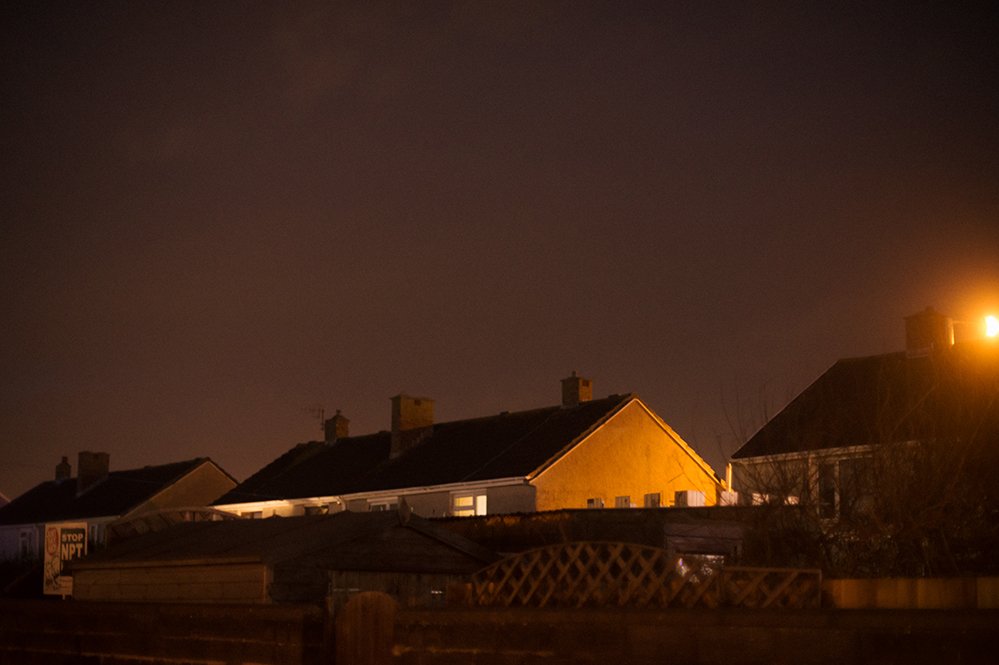
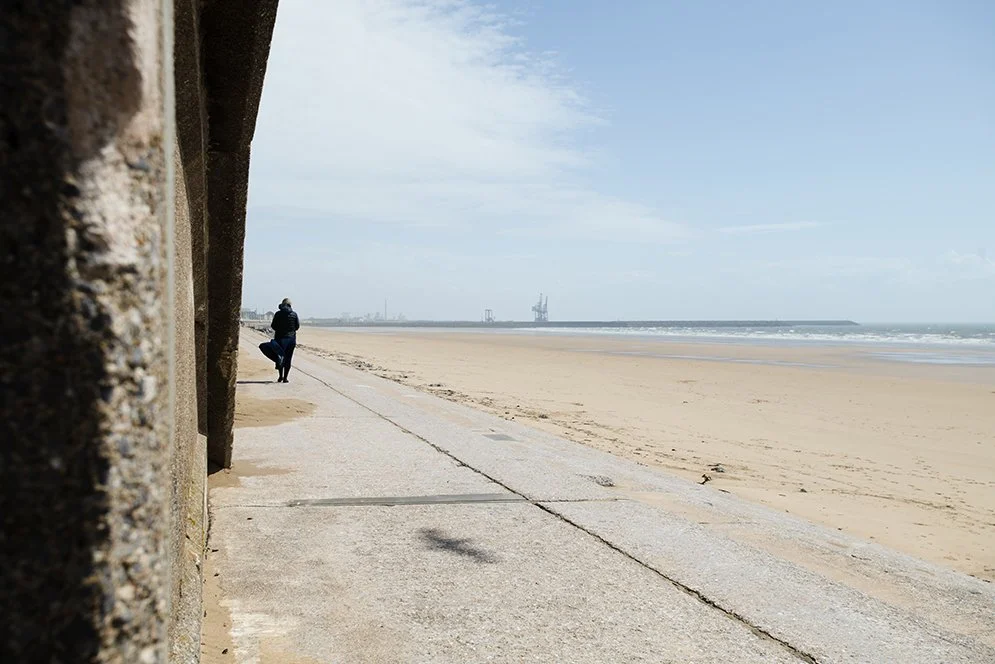
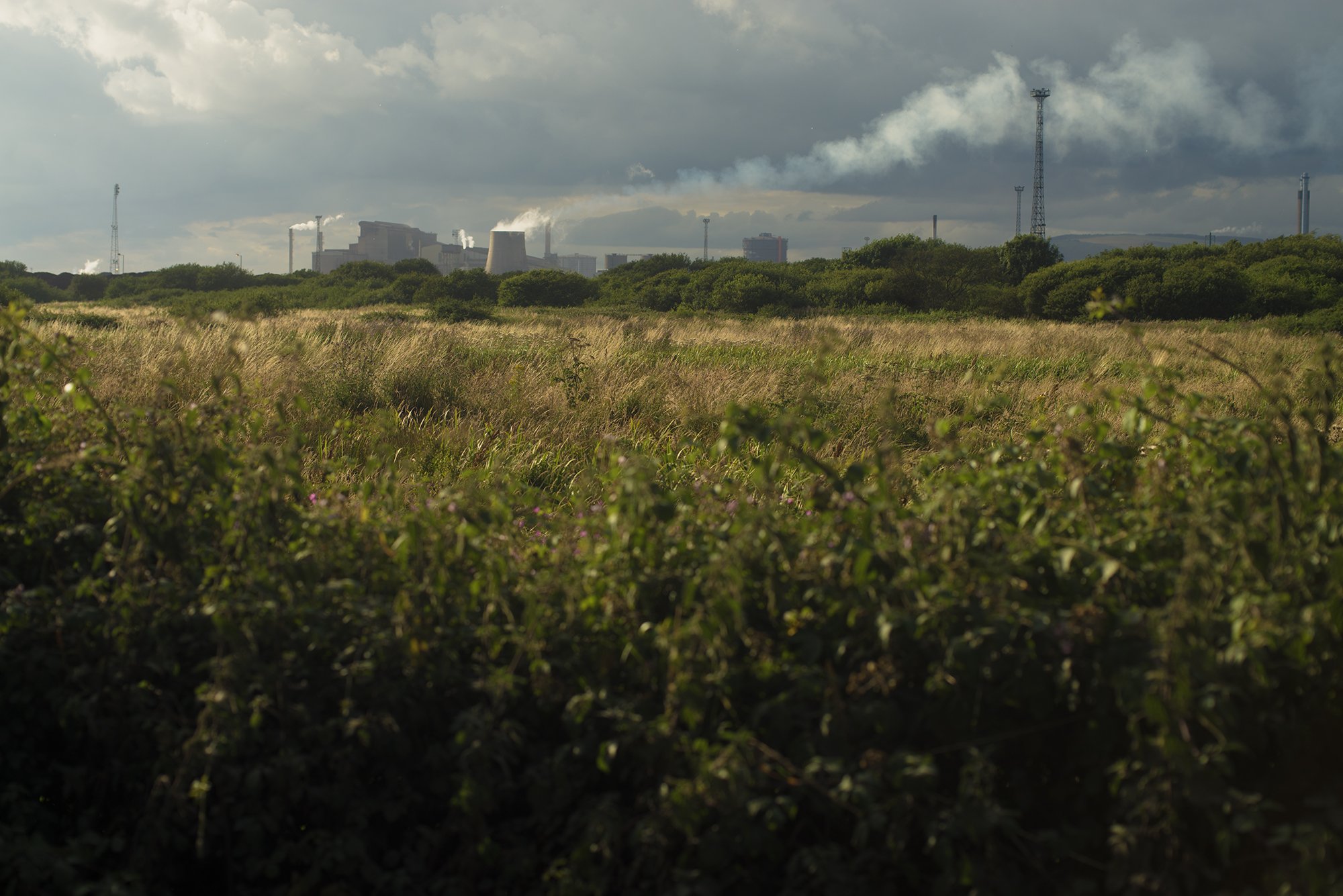
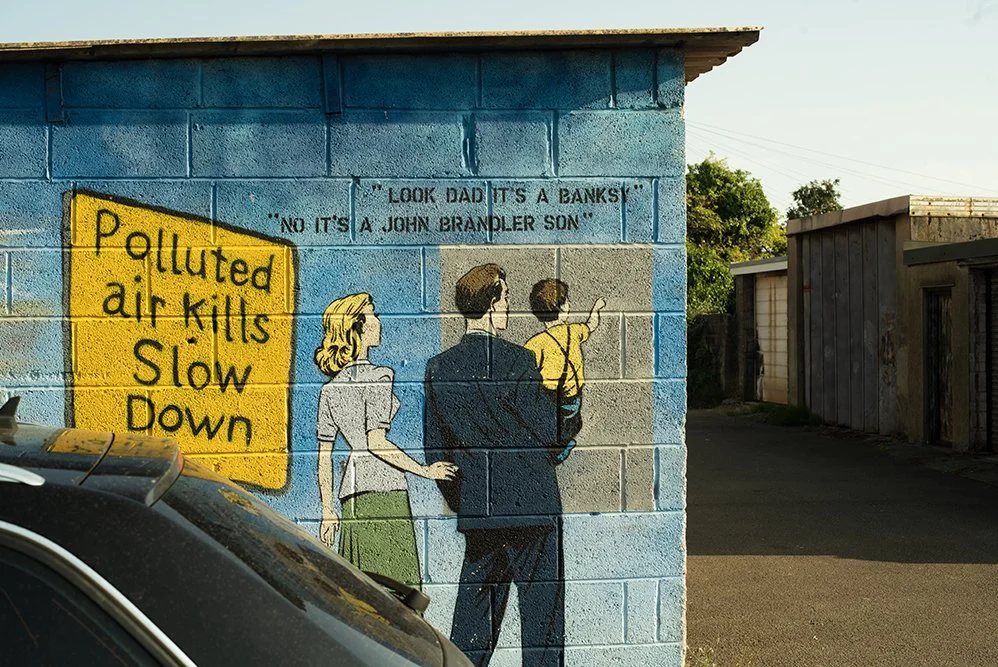
“Obviously as I say the economy shrank so it’s a bit tougher, but it’s cleaner. We’re surviving. It’s always been deprived, but at least it’s deprived and clean now.”
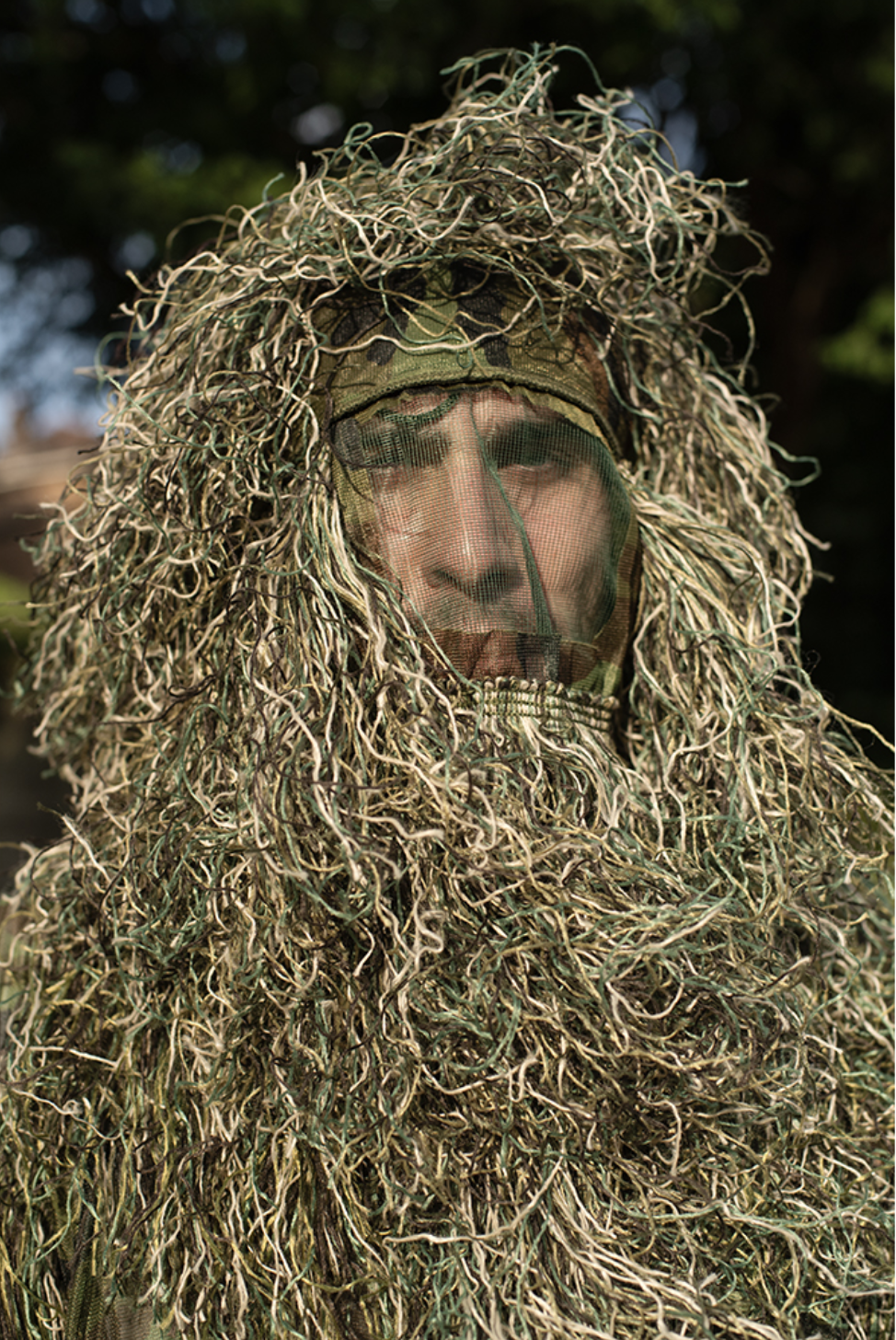
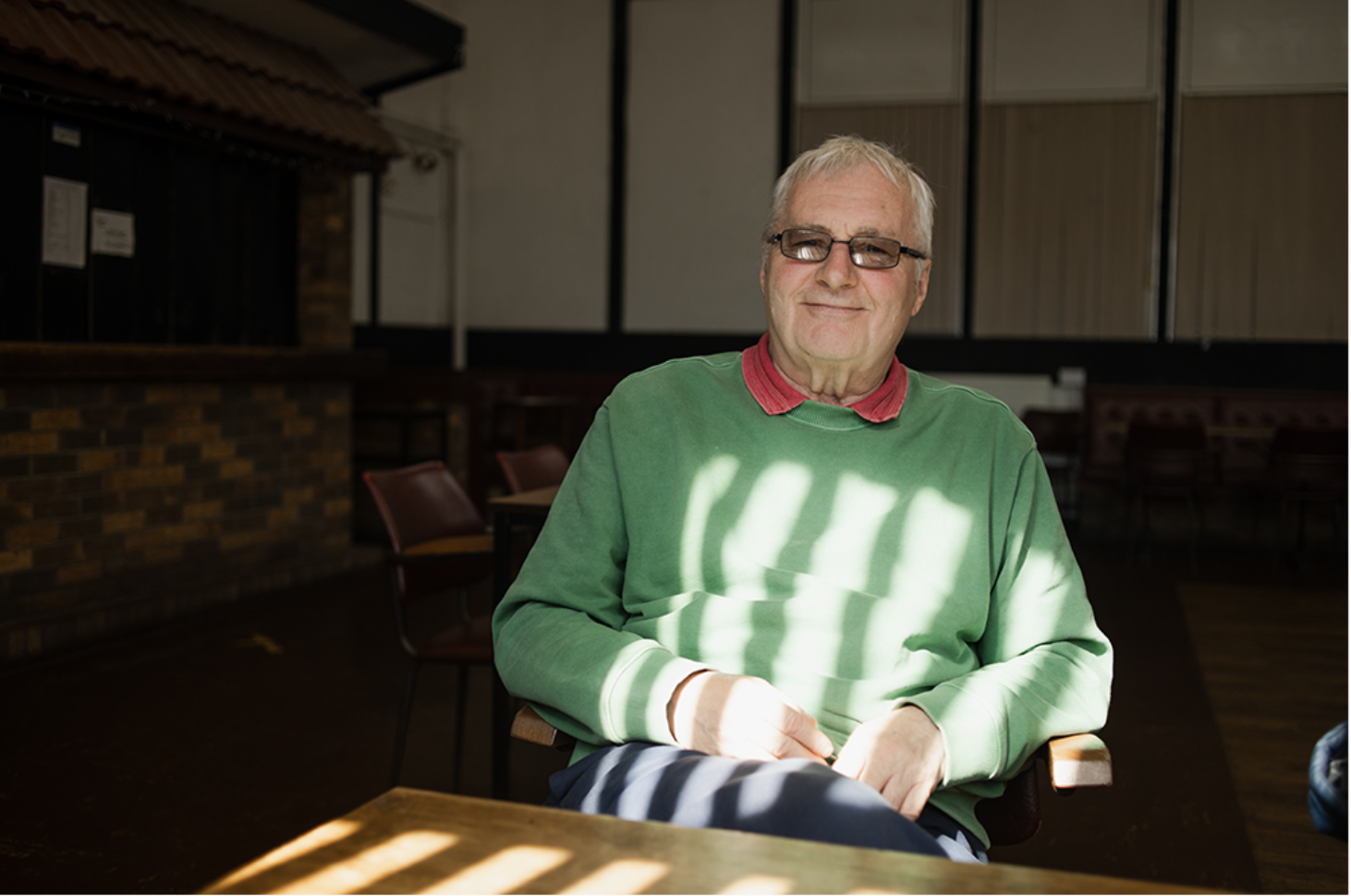
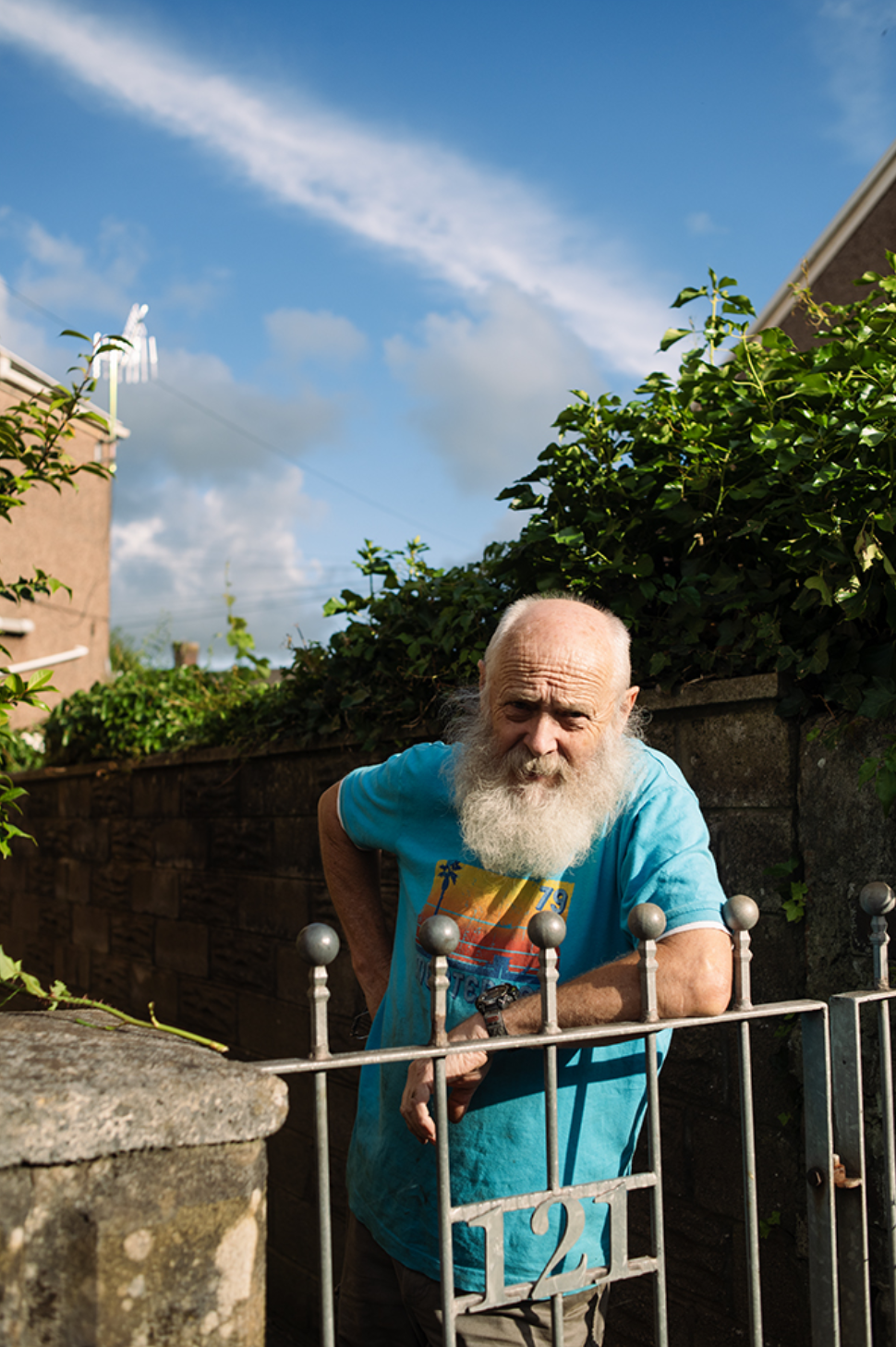
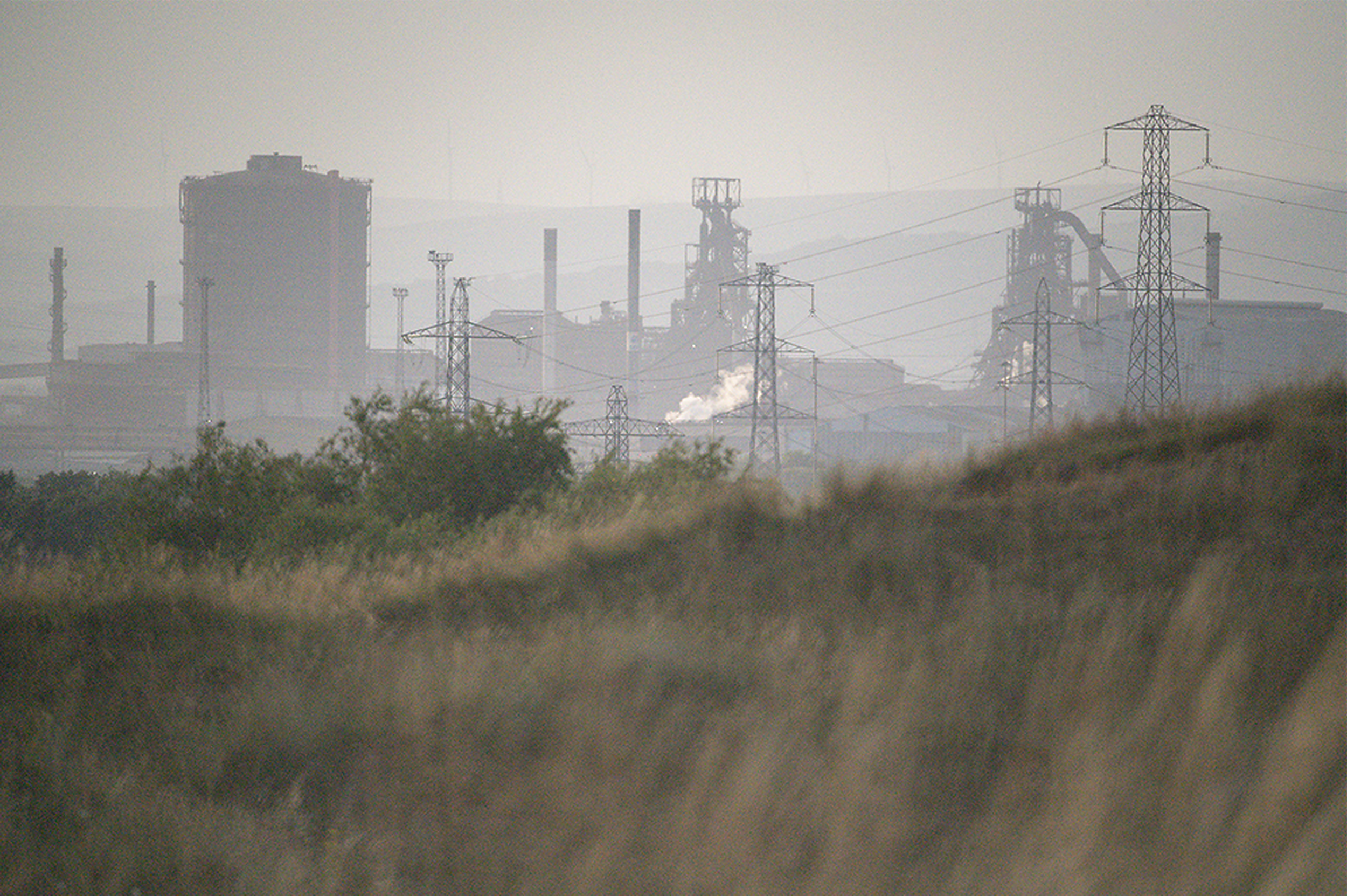
“… I like the noises from it. The thunder, you know the charging and all that’s gone and that was the backdrop to my childhood. It was something we all know. I mean everyone in Port Talbot, even if you don’t live in Taibach or Margam, everyone knows them sounds. You know, and the screeching when the leaves, the valves go and – do you know what I mean. There’s a lot of change. We’re kind of a bit boring now and bit like everywhere else.”
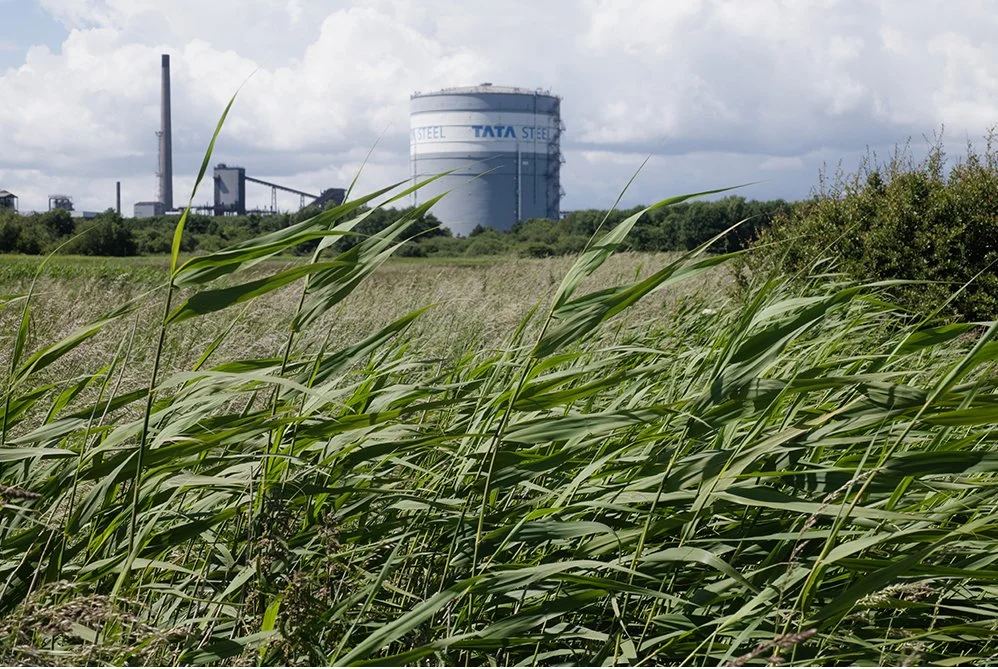
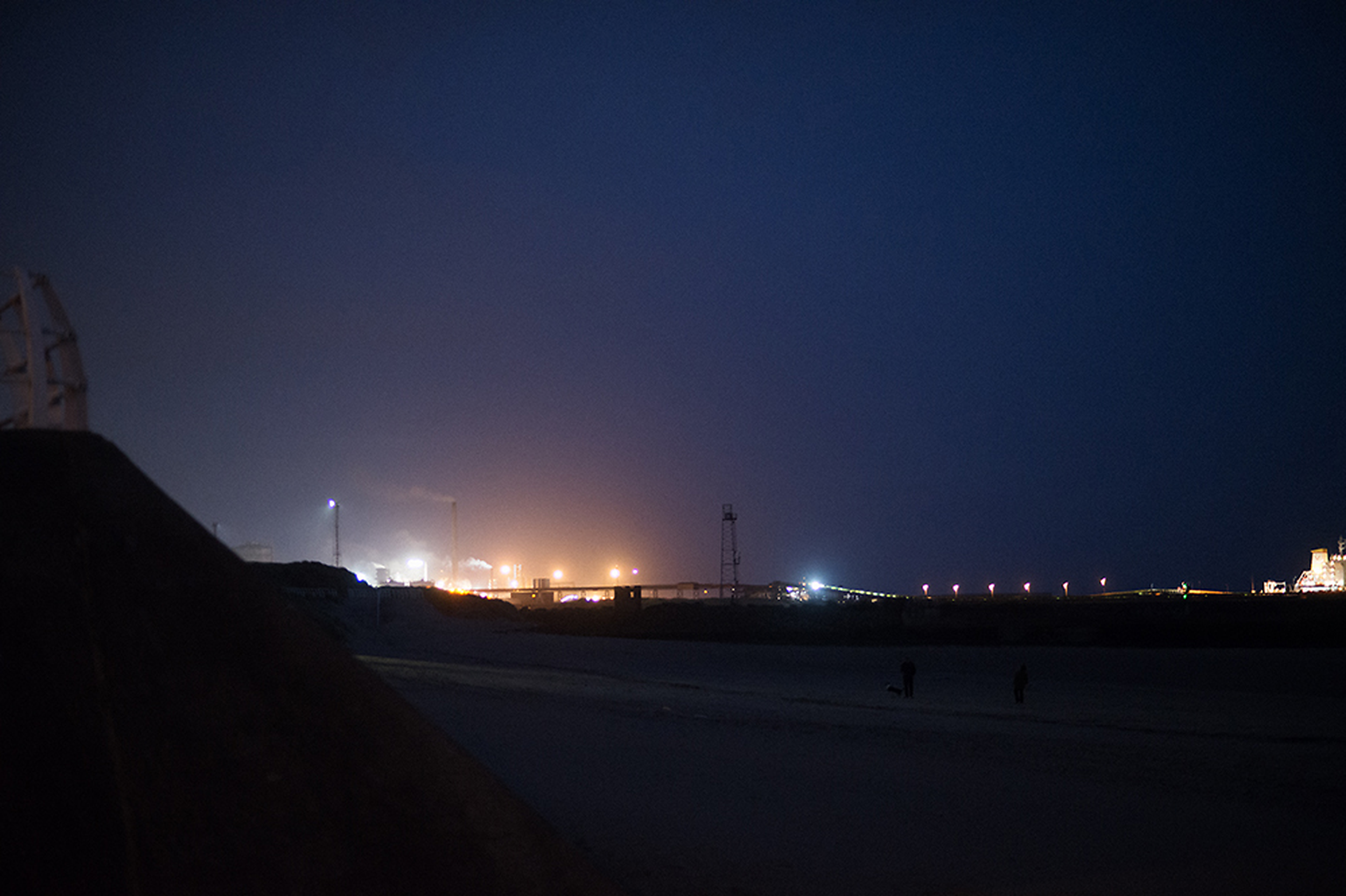
“I used to camp out at night and the light was better than what you’d get in Iceland. Better than the Northern Lights. That’s the whole time. When you’re making iron, there’s 1,000 degrees heat and there’s – you know that lights the sky up and you know the shadow changes and it’s like a show, you know and that’s what we were brought up on. I loved that.”
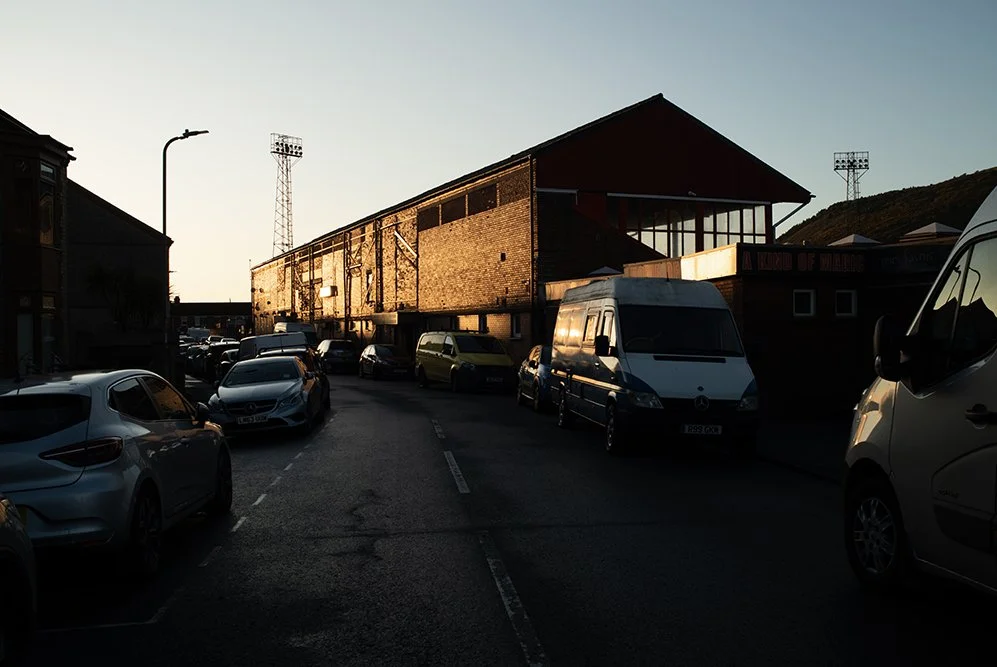
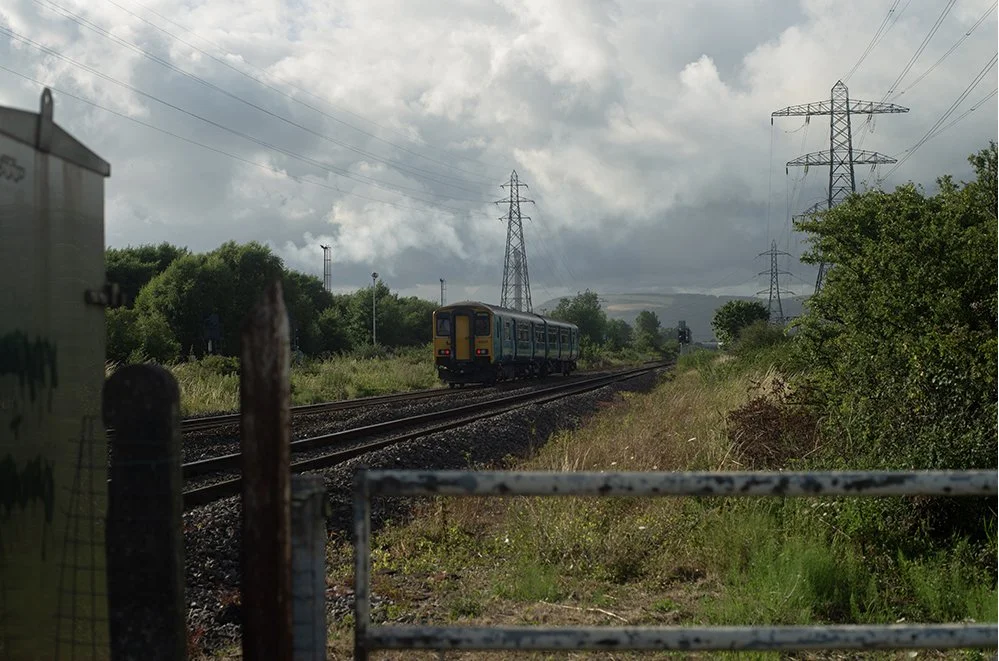
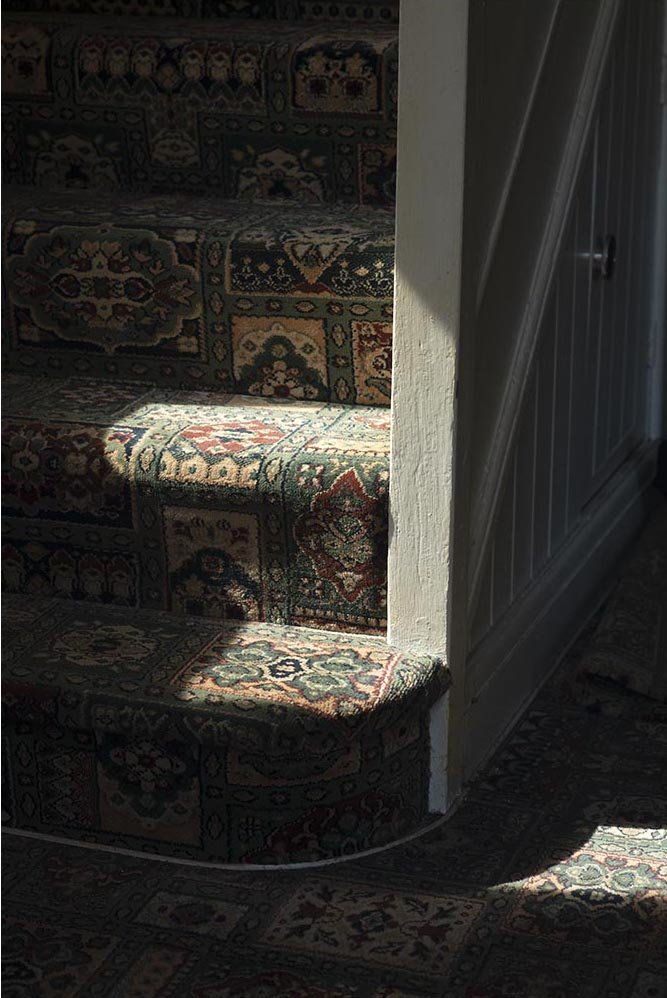
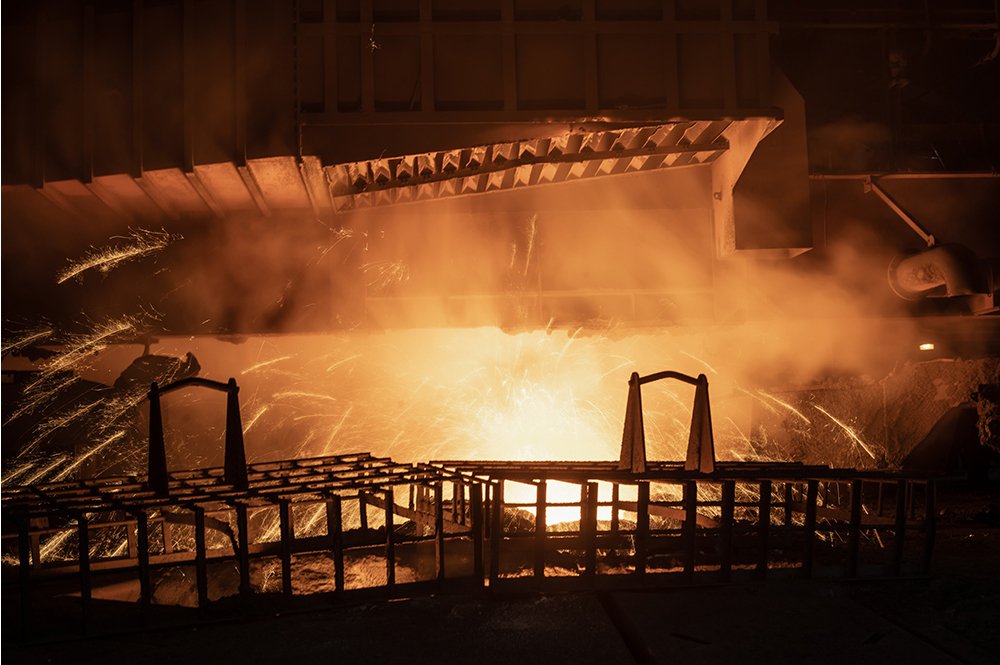
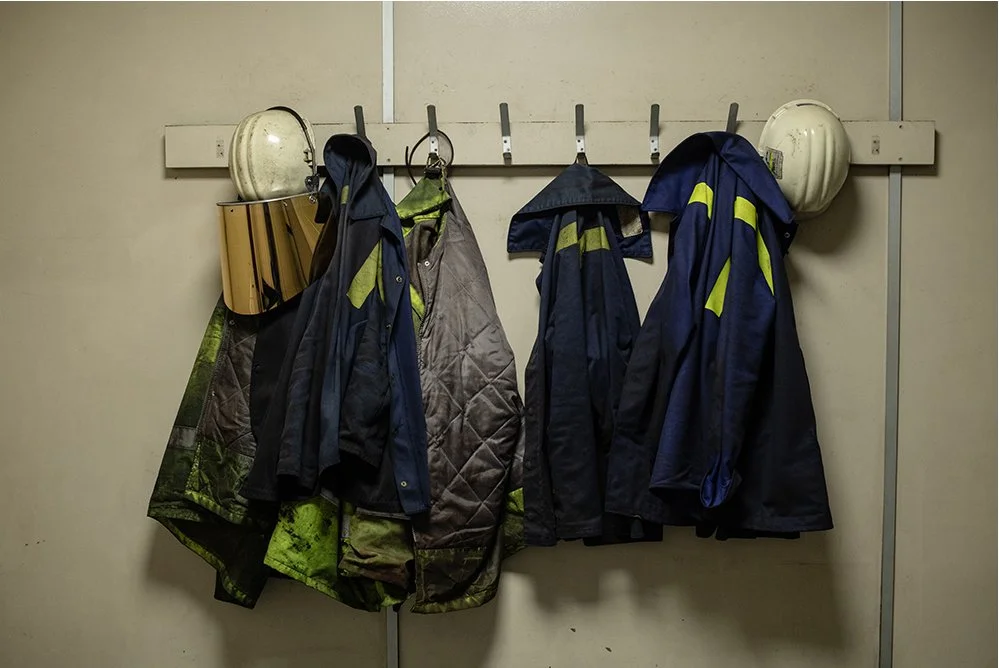
“I mean I miss the noise and I miss the light. I do, I miss it. that’s what I – I miss – that’s what we know. That’s what we were brought up with.”
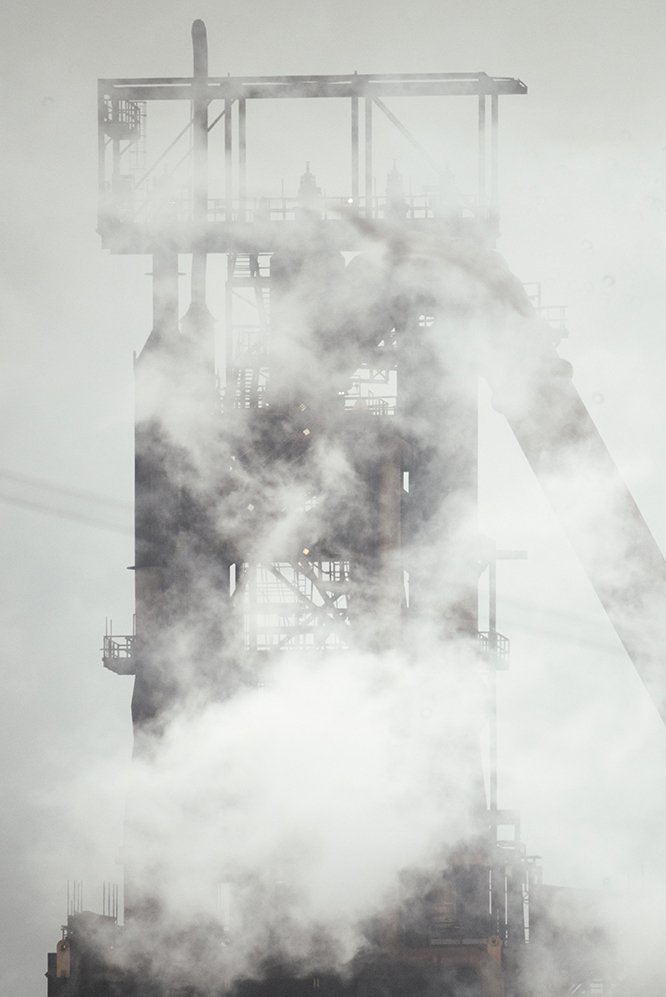
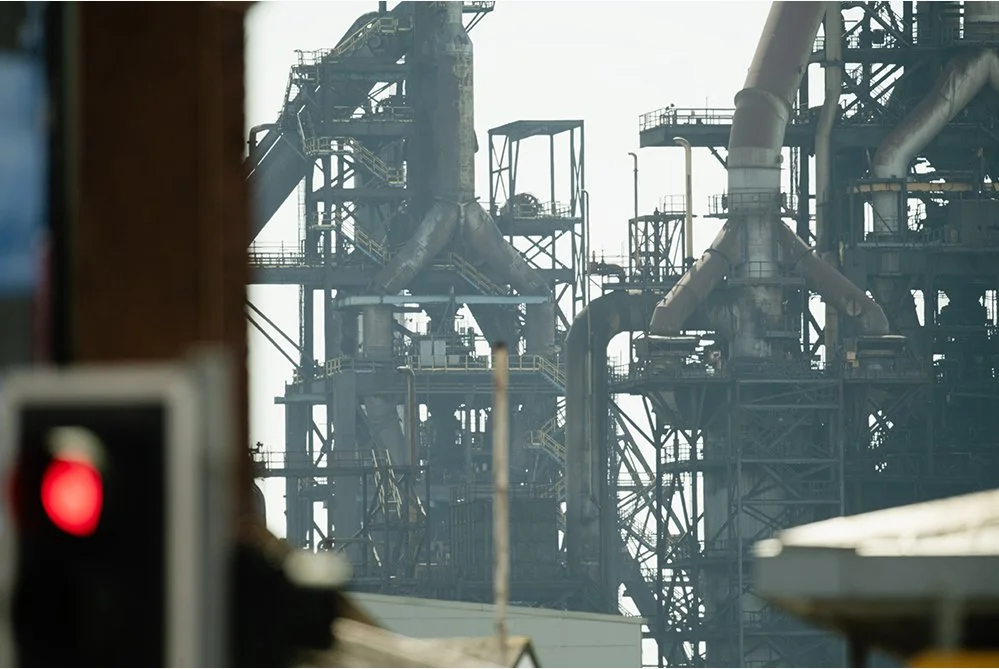
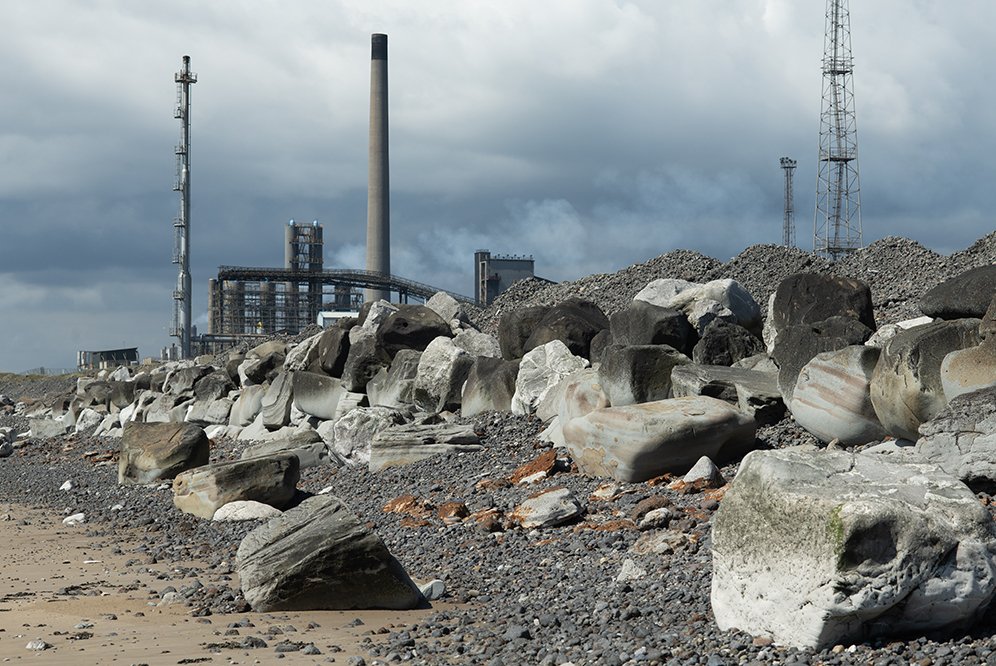
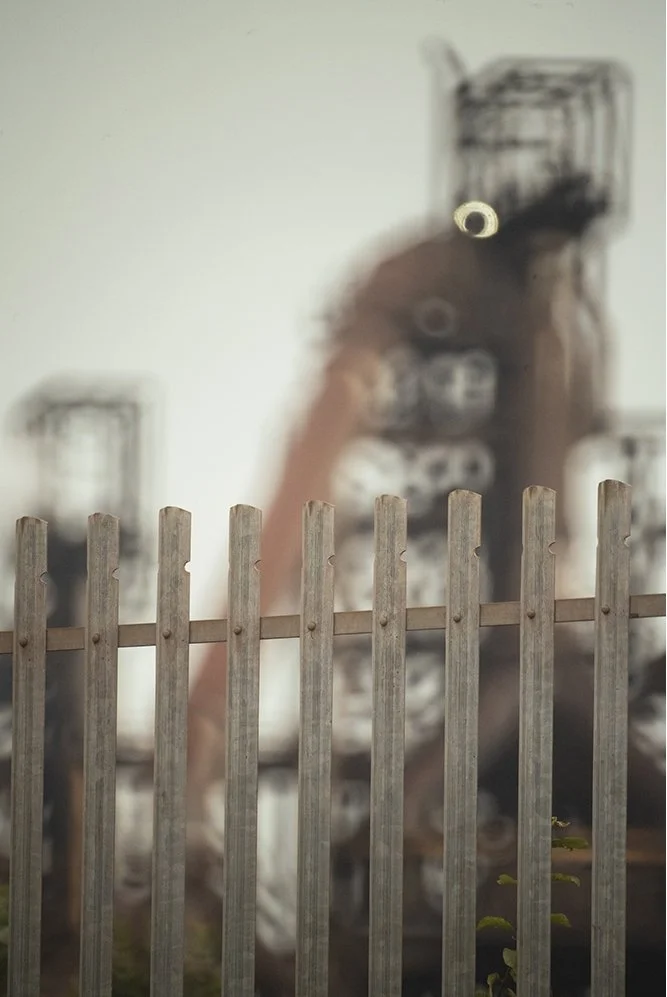
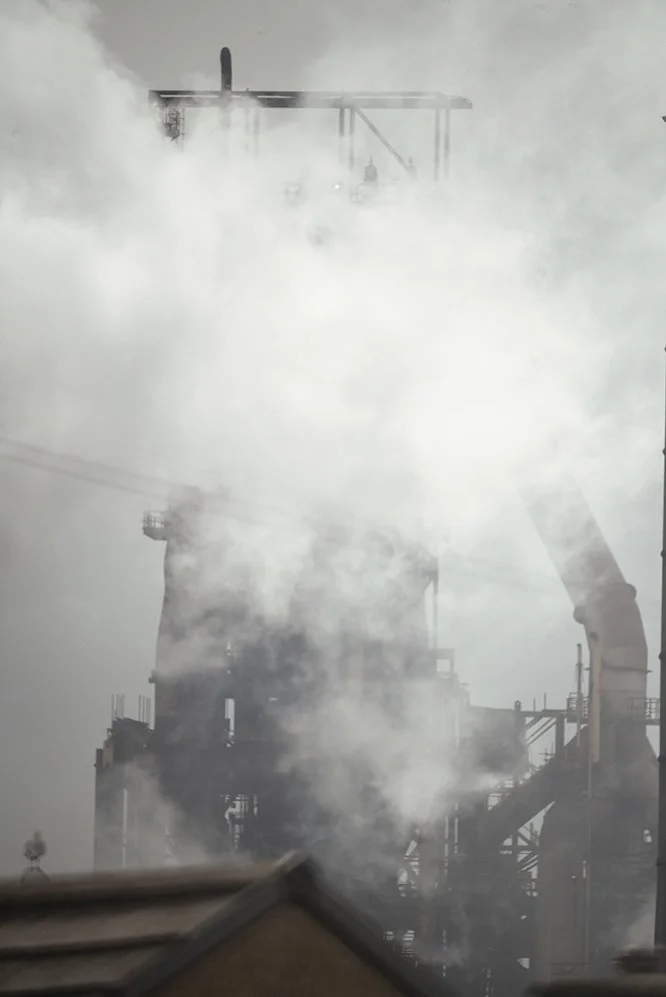
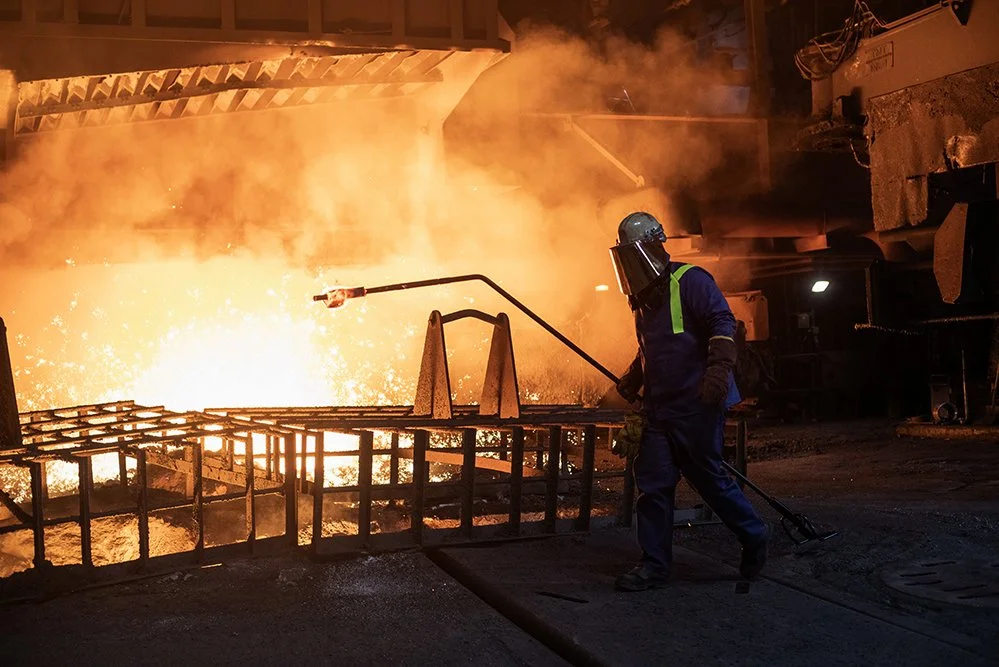
“The last dragon’s breath as it was called going out to the furnaces, where they open the valves at the top of the furnace and just vents to atmosphere. Huge noise, and it was spooky and it was very emotional. I was just driving past and there was a song on the radio and I was in floods of tears. ‘Cause the place that we had lived in for 30 years would never be the same again.”
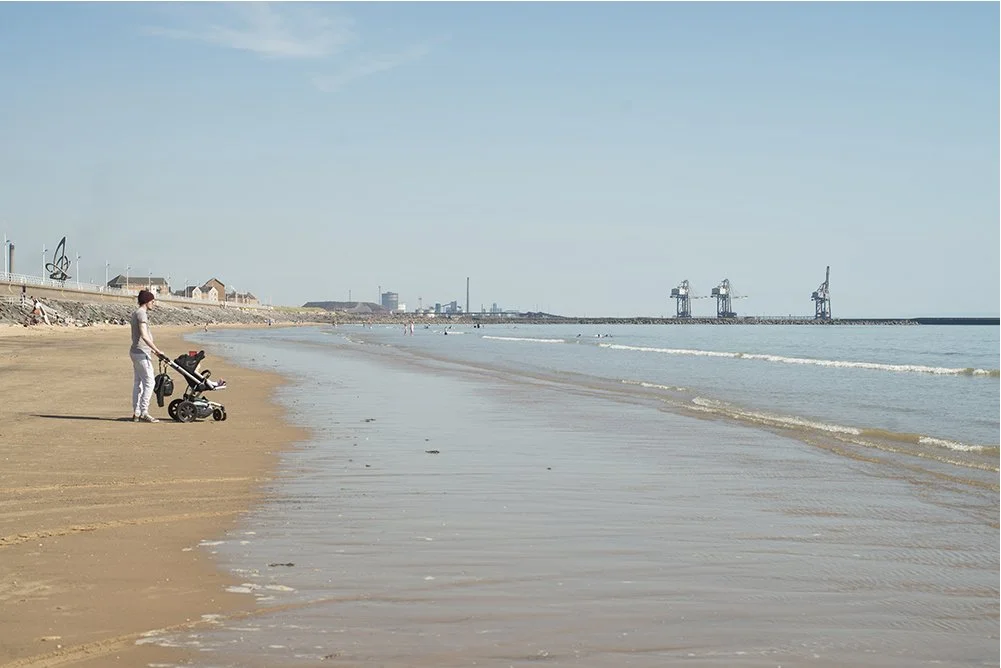
“You can live the dream from Port Talbot. We’ve insisted upon that and the fact that we’re still surviving 10 years later, living quite well and being creative and doing all these positive things… shows that it’s actually true.”
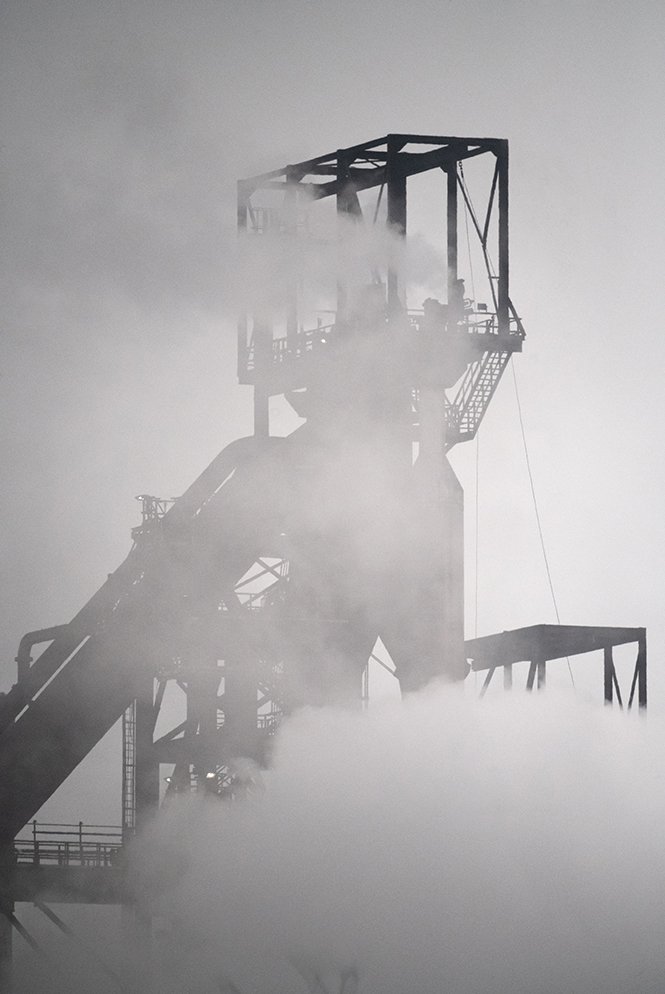
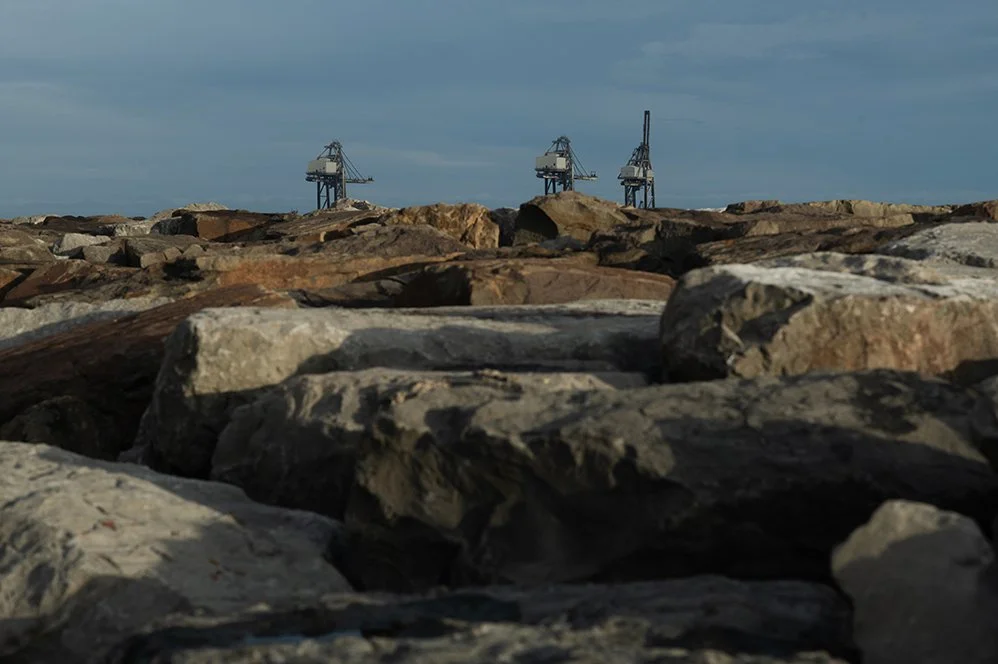
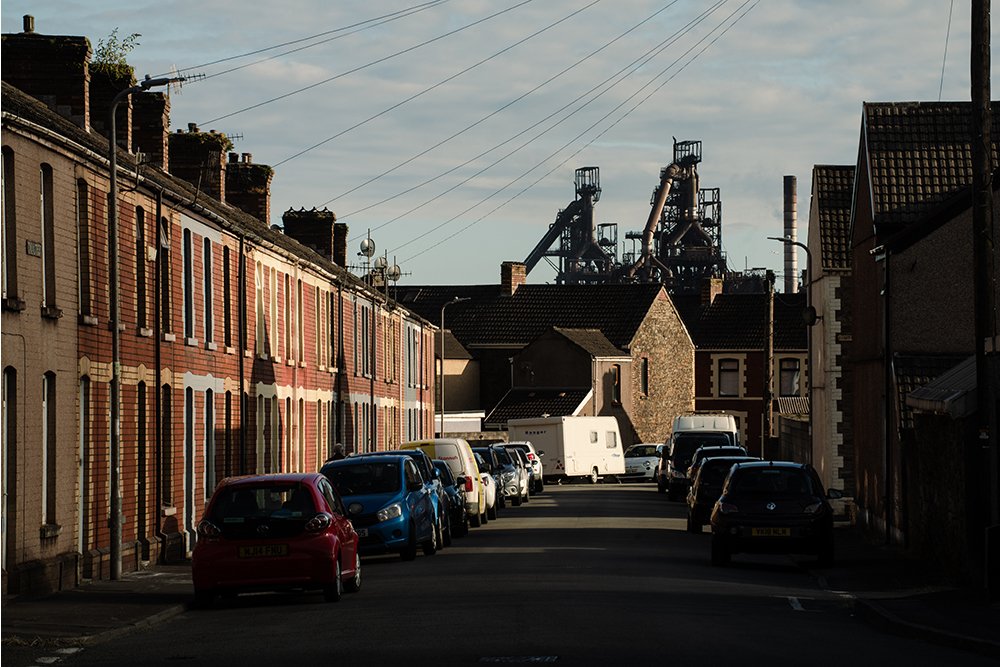
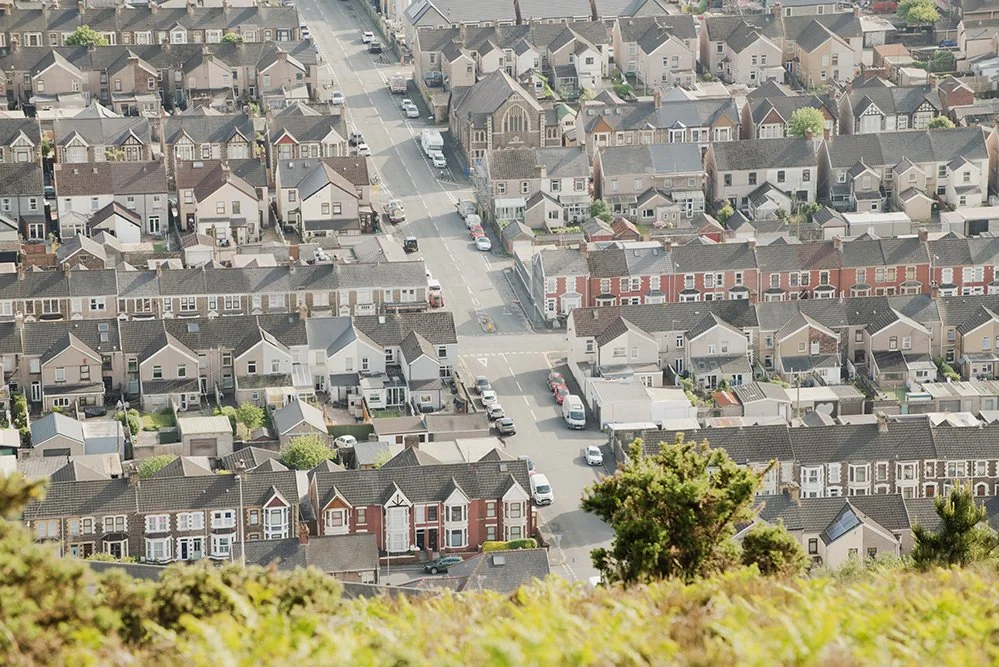
“I chose to live here. The community is fantastic and you know it’s not gonna be the cleanest place to live, but you sign up for that. […] When the blast furnaces closed, it was huge, yeah…”
“…is it the end? No it’s not. I honestly believe that. I believe steel will be produced in Port Talbot for many many years to come. I sincerely believe that and I sincerely hope because there is a future for generations of youngsters to make a good living out of steel. So it’s not a physical end to steel making. But there is an end to the process.
There’s a bit of a kind of emotional end to the whole heavy industry. You know the UK was the birth of the industrial nation. […]industrial Britain is… rapidly disappearing. We’re just not a heavy industry society anymore. I think there’s more service-related jobs in the UK now than industry jobs.
So you know there is an end, there’s an end to traditional industries in the UK but there isn’t hopefully an end to steel making, it’ll just be made in a different way. More environmentally friendly, reuses steel, remelted steel, just a different process.”